

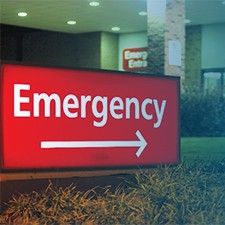
Workplace injuries don’t just impact productivity, they affect real people, families, and teams. The good news? Most common injuries are preventable when hazards are recognized early and safe work practices are consistently followed.
Below are the top 10 injuries seen most often across industries, along with practical ways to reduce the risk.
Number 1: Slips, Trips, and Falls
Slips, trips, and falls are among the leading causes of workplace injuries across nearly every industry. Wet floors, uneven surfaces, cluttered walkways, and poor lighting can all contribute to slips, trips, and falls.
Prevention starts with strong housekeeping habits. Employers and workers should focus on:
- Keeping walkways clear and dry
- Repairing damaged flooring promptly
- Using proper footwear with slip-resistant soles
- Using fall protection when working at heights
- And, installing adequate lighting in work areas
Number 2: Overexertion and Muscle Strains
Lifting, pulling, pushing, or carrying heavy loads improperly can result in strains and sprains, particularly to the back and shoulders.
To reduce overexertion injuries:
- Train employees on proper lifting techniques
- Use mechanical aids such as dollies or forklifts
- Encourage team lifting when loads are heavy or awkward
- And, rotate tasks to avoid repetitive strain
Ergonomics and body mechanics play a major role in long-term injury prevention.
Number 3: Struck-By Objects
Being struck by falling tools, moving equipment, or shifting materials is common in construction, warehousing, and industrial settings.
Effective prevention methods include:
- Securing tools and materials at heights
- Wearing appropriate head protection
- Establishing exclusion zones around active work areas
- And, maintaining awareness of surroundings
Situational awareness can make the difference between a close call and a serious injury.
Number 4: Caught-In or Caught-Between Incidents
These injuries occur when a worker is caught in machinery or compressed between objects. They often involve moving parts or heavy equipment.
Preventative measures can include:
- Proper machine guarding
- Lockout/tagout procedures during maintenance
- Clear communication when operating heavy machinery
- And, maintaining safe distances from moving equipment
Number 5: Cuts and Lacerations
Sharp tools, machinery, and materials can easily cause cuts or lacerations. Even minor lacerations can lead to infections or lost work time.
To reduce the risk:
- Use appropriate hand protection
- Keep blades sharp and tools in good condition
- Store sharp objects safely
- And, avoid using damaged tools
Number 6: Repetitive Motion Injuries
Repetitive tasks, such as typing, scanning, or assembly line work, can lead to conditions such as tendonitis or carpal tunnel syndrome over time.
Prevention often involves ergonomic improvements, such as:
- Adjustable workstations
- Proper keyboard and tool positioning
- Scheduled breaks to reduce strain
- And, task rotation
Number 7: Burns
Burns may result from chemicals, hot surfaces, steam, electricity, or open flames.
Prevention strategies include:
- Wearing proper heat- or chemical-resistant Personal Protective Equipment (PPE)
- Storing chemicals safely
- Clearly labeling hazardous materials
- And, following safe handling procedures
Number 8: Exposure to Harmful Substances
Chemical exposure can cause respiratory issues, skin irritation, and long-term health conditions.
Reducing exposure requires a layered approach, including:
- Proper ventilation systems
- Use of respirators or protective clothing
- Reviewing Safety Data Sheets (SDS)
- And, safe storage and disposal practices
Employers are responsible for ensuring workers understand the hazards of the substances they handle and how to prevent injuries.
Number 9: Vehicle-Related Incidents
Workplace vehicle accidents can involve forklifts, company vehicles, or heavy equipment. These incidents can be severe or fatal.
Prevention should focus on:
- Operator training and certification
- Regular vehicle inspection
- Clearly marked pedestrian walkways
- And, enforcing speed limits onsite
Number 10: Workplace Violence
Though often overlooked, workplace violence is a serious risk in many industries.
Creating a safer environment involves:
- Establishing clear reporting procedures
- Training employees on de-escalation techniques
- Implementing access control measures
- And, encouraging a culture where concerns are addressed early
Conclusion
Most workplace injuries are not random events, they are predictable and preventable. A strong safety culture, consistent training, and proactive hazard identification dramatically reduce risks.
Prevention starts with awareness and continues with action. When employers and employees work together to recognize hazards and follow safe practices, workplaces become safer, healthier, and more productive for everyone.

Brooklyn Nice
Brooklyn Nice is a Content Development Specialist at JJ Safety, where she creates engaging, OSHA-focused safety content, training materials, and educational resources for workers and employers. She has earned her OSHA 10 Certification, providing her with a strong foundation in workplace safety principles and industry best practices.